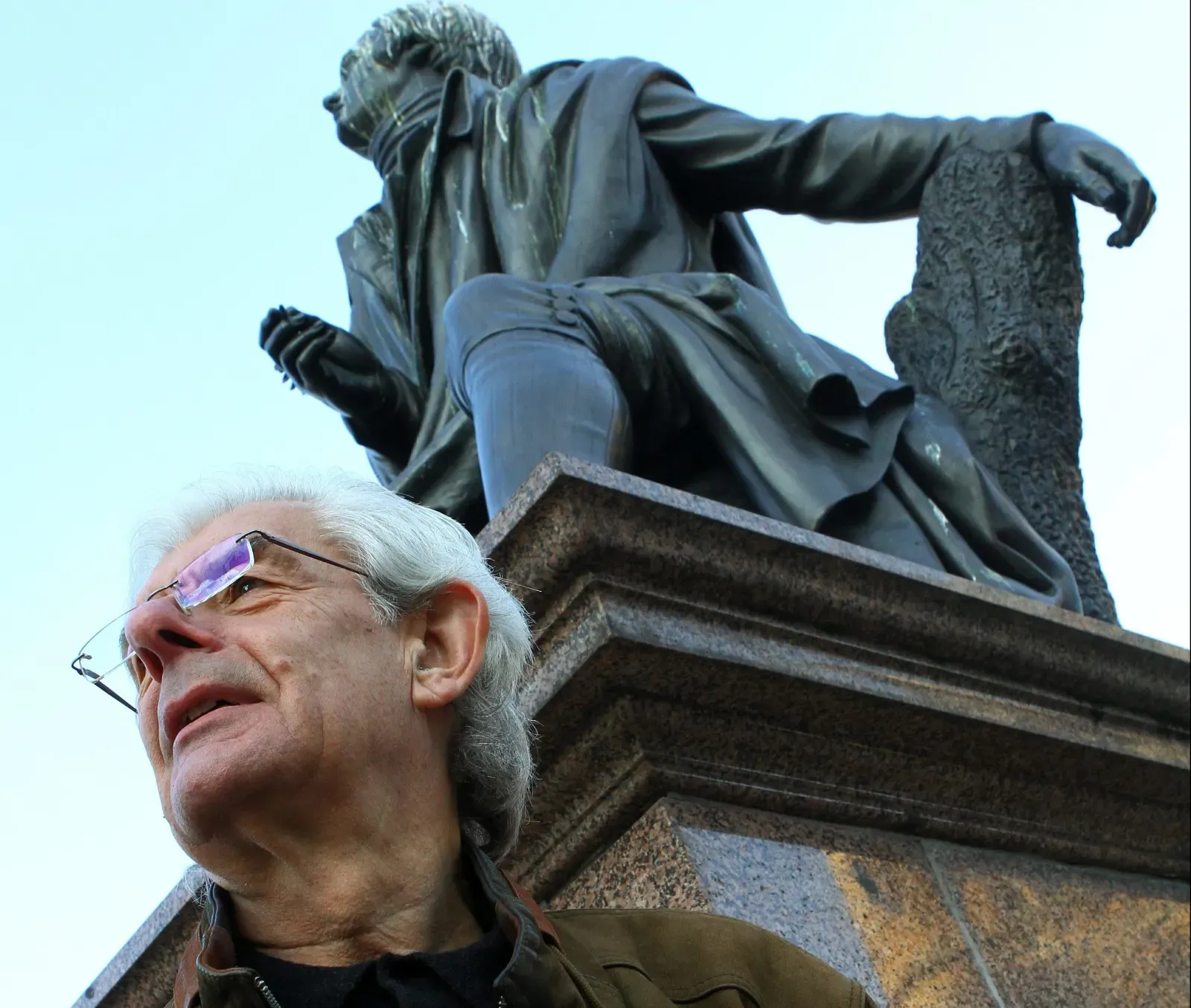
Professor Chris Whatley
OBE, FRSE, FSA Scot
Scottish historian and author, writing since 1979 on the Union, Robert Burns, Dundee’s mills, salt, protest and the islands.

Recent books by Chris Whatley
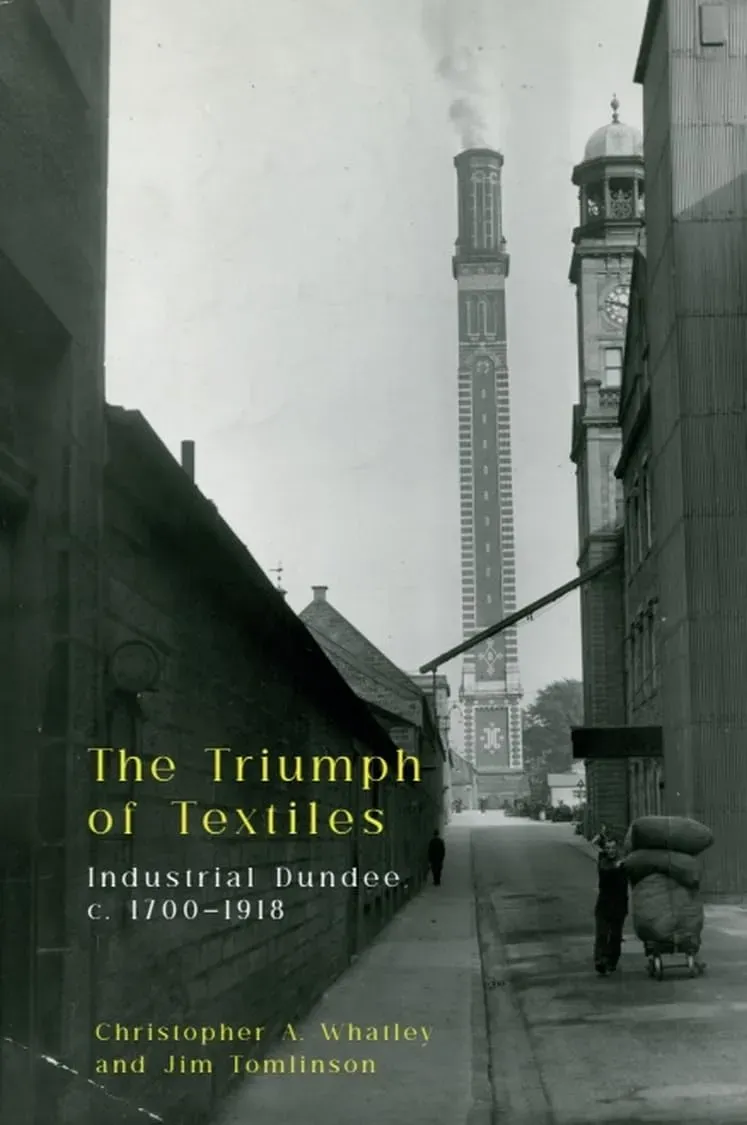
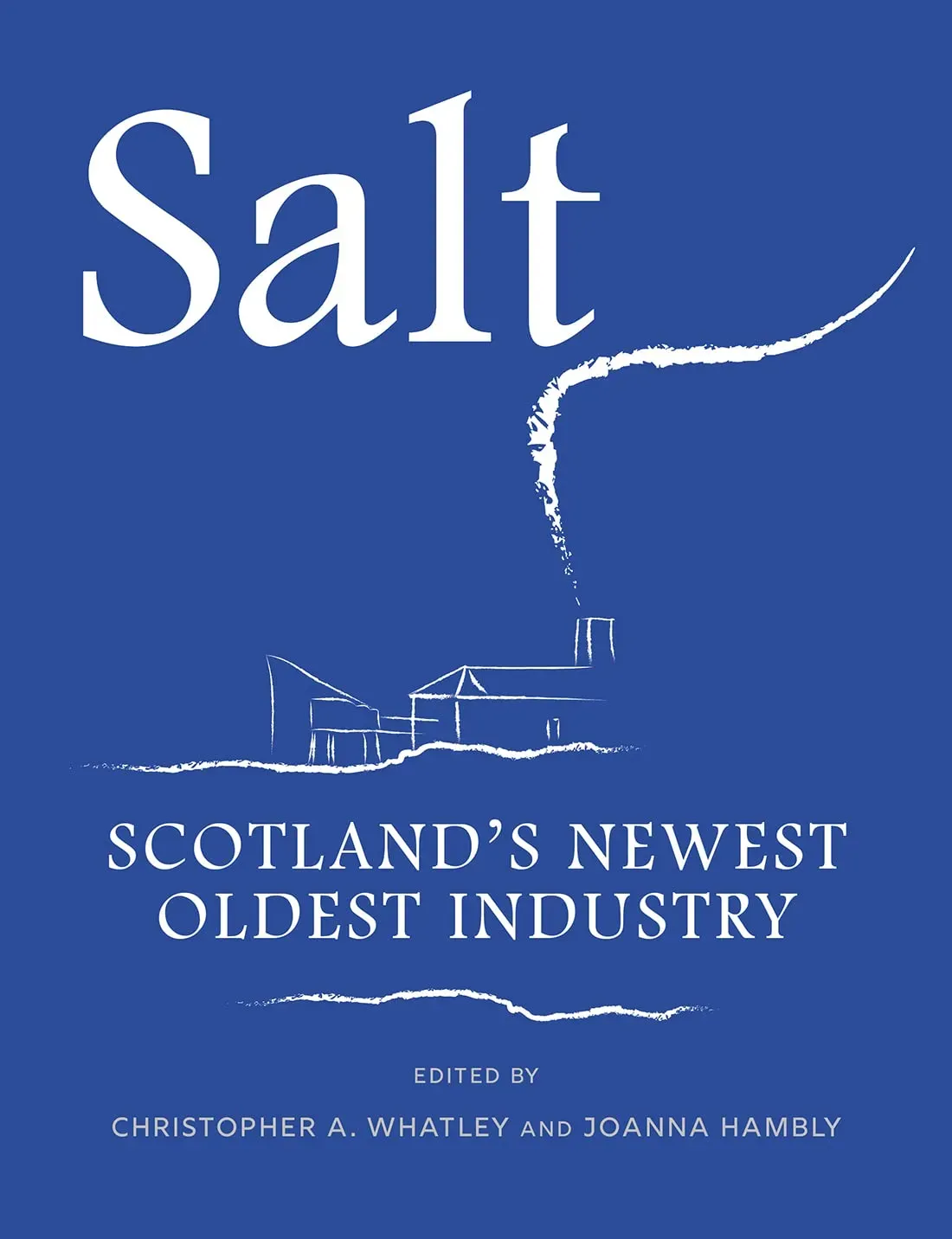
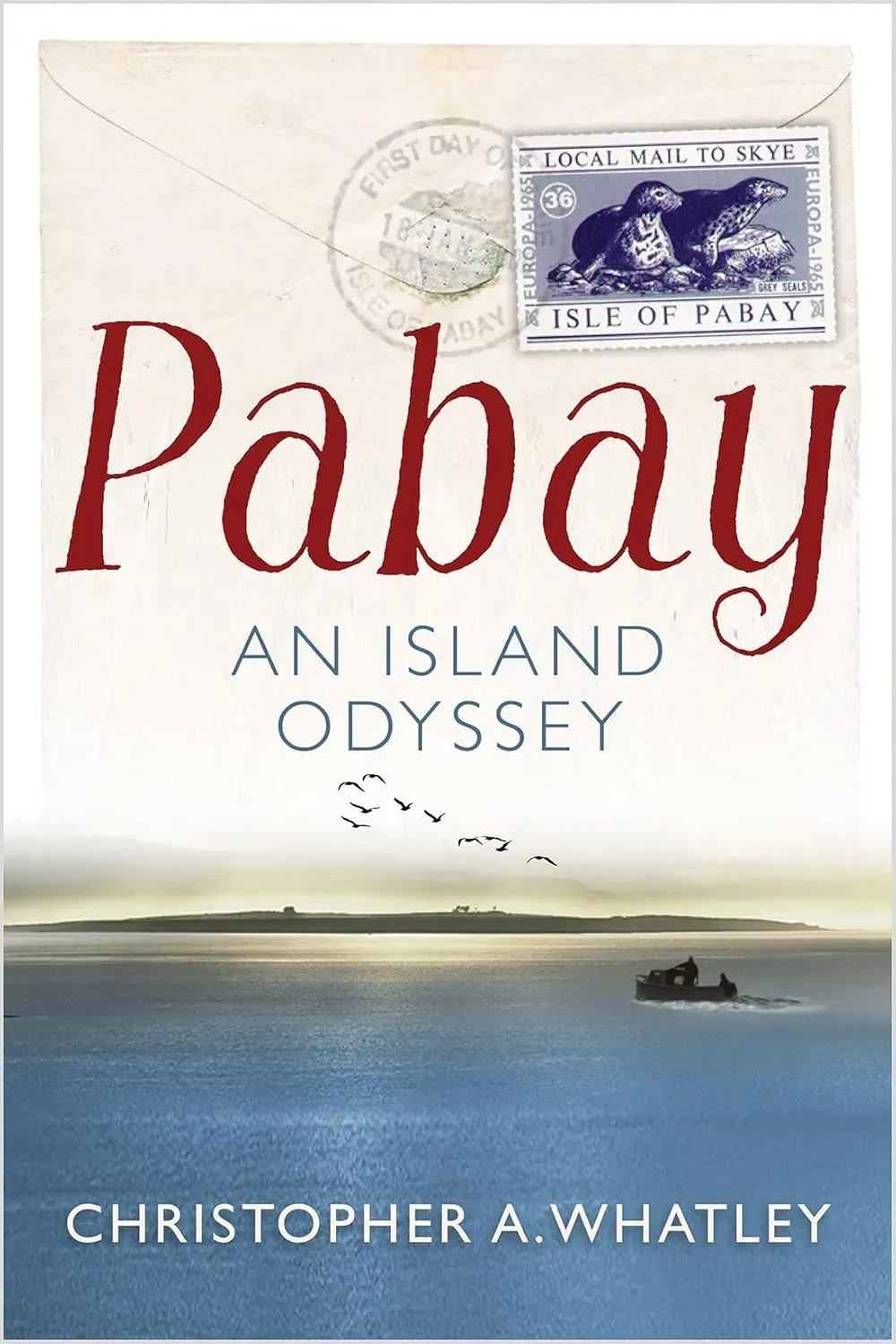
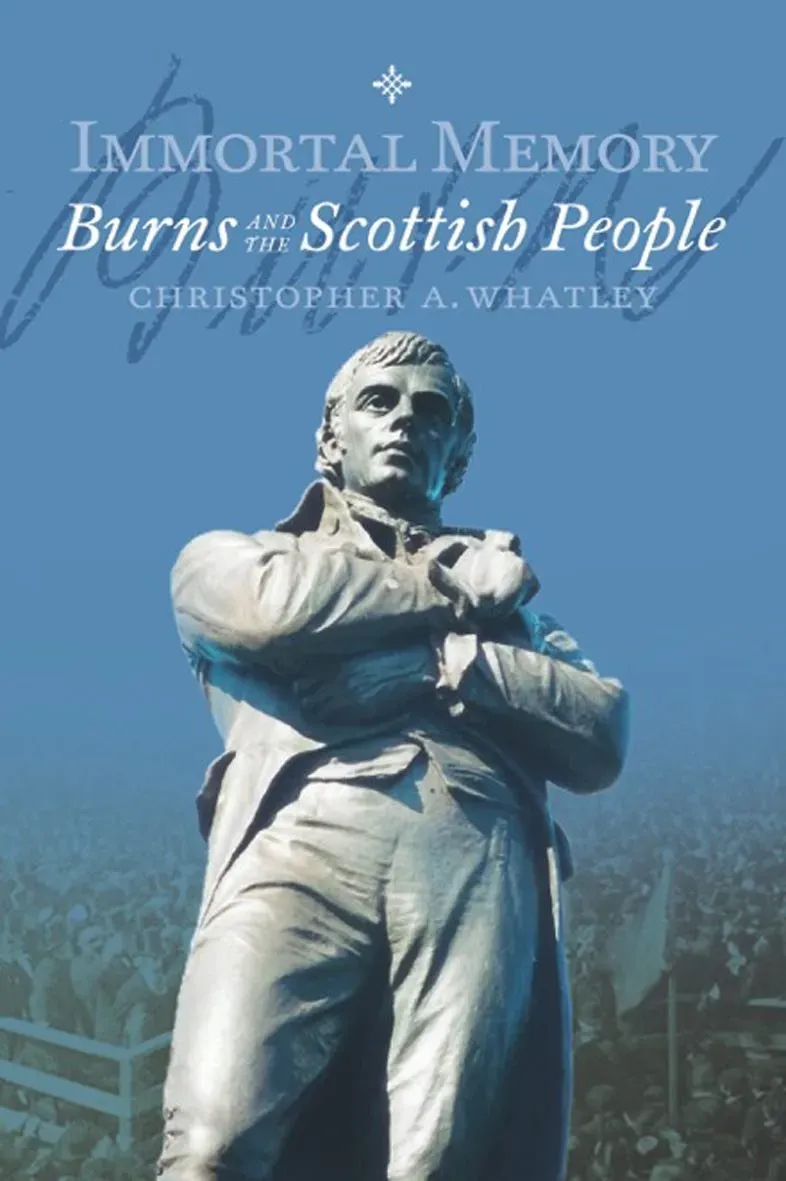
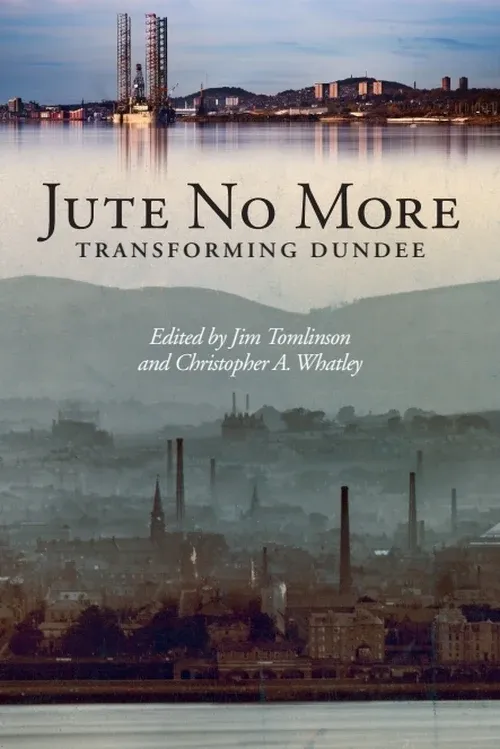
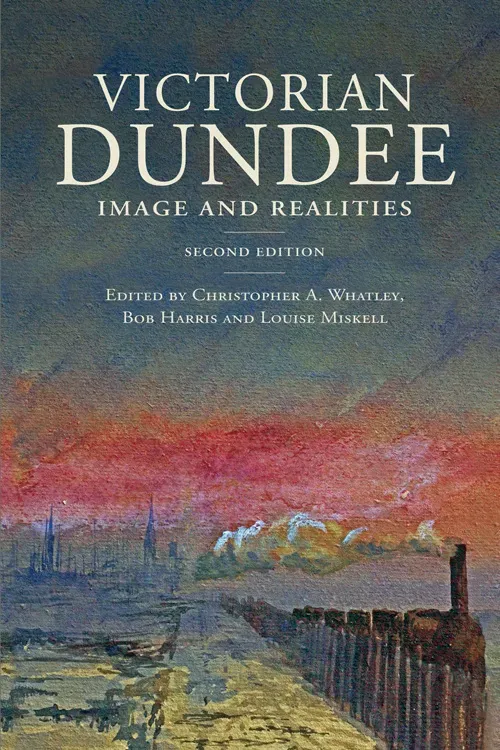
- 21books written or edited, from John Galt (1979) to Harvie’s Dyke (2025)
- 2007Saltire Society Scottish History Book of the Year, for The Scots and the Union
- FRSEFellow of the Royal Society of Edinburgh, elected 2003
- OBENew Year Honours, 2015
Latest book
Harvie’s DykeThe People, their Liberty and the Clyde
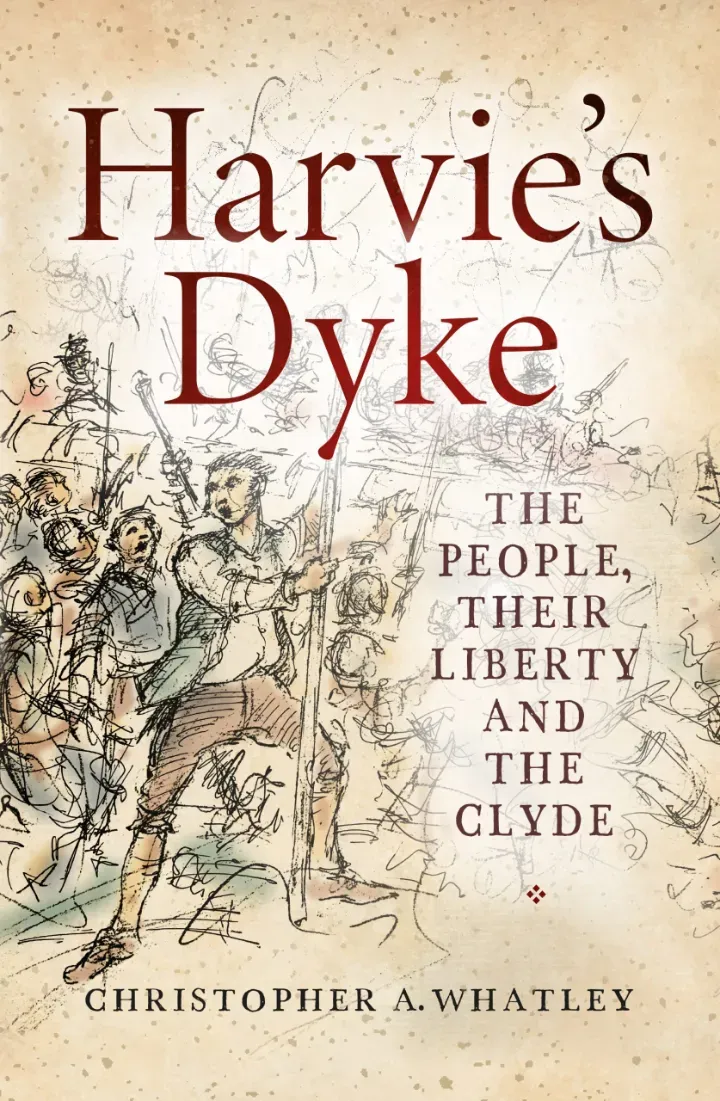
It is the story of a riot (1823) and a campaign by Glasgow’s people against a tyrannical, upstart landowner who blocked a favourite walkway along the river Clyde. This was a major landmark in rights of way campaigning in Britain and acted as an inspiration for many decades for those involved in similar struggles.
What Chris writes about: six areas of Scottish history
Six subjects Chris has returned to across his career, and a book to start with for each.
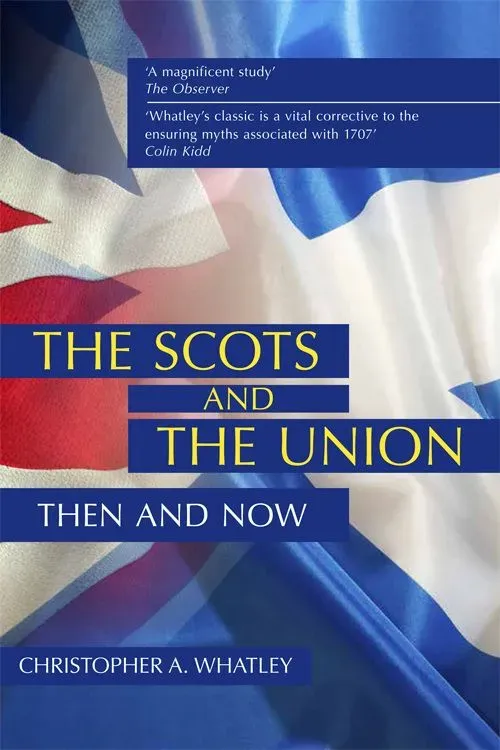
- The Union of 1707 Scotland’s relations with England: why the Union happened, and what it meant then and now. Start with The Scots and the Union
- Robert Burns How the poet became a national symbol, and what the Scottish people made of him. Start with Immortal Memory
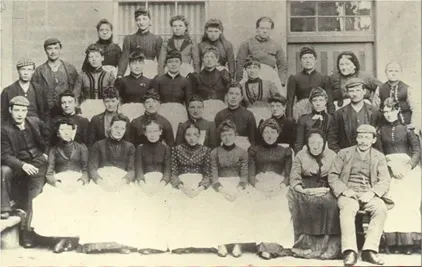
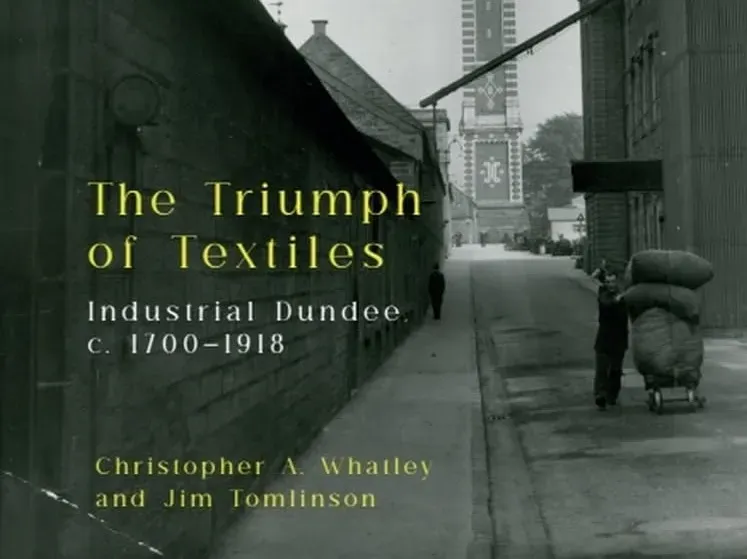
- Dundee and its mills Juteopolis, its able industrialists and its overwhelmingly female workforce, seen in a new light. Start with The Triumph of Textiles
- People and protest Riots, rights of way and the Scots who would not quietly accept injustice. Start with Harvie’s Dyke
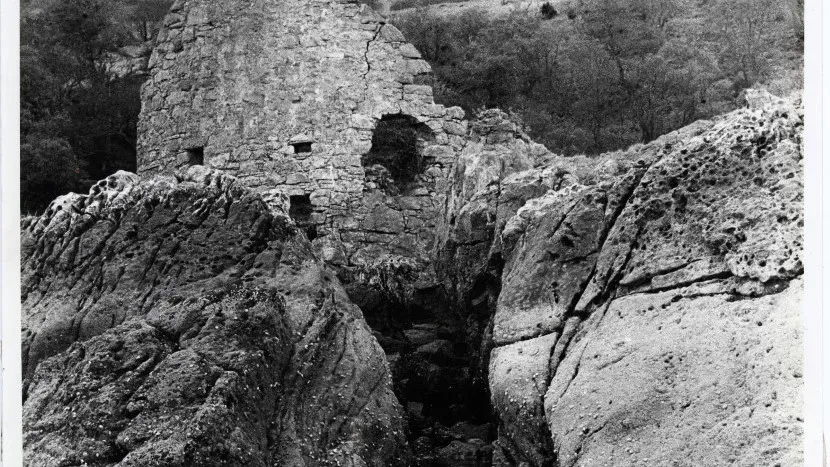
- Salt The first book on the Scottish salt industry, and a new collection of essays more than thirty-five years later. Start with Salt: Scotland’s Newest Oldest Industry
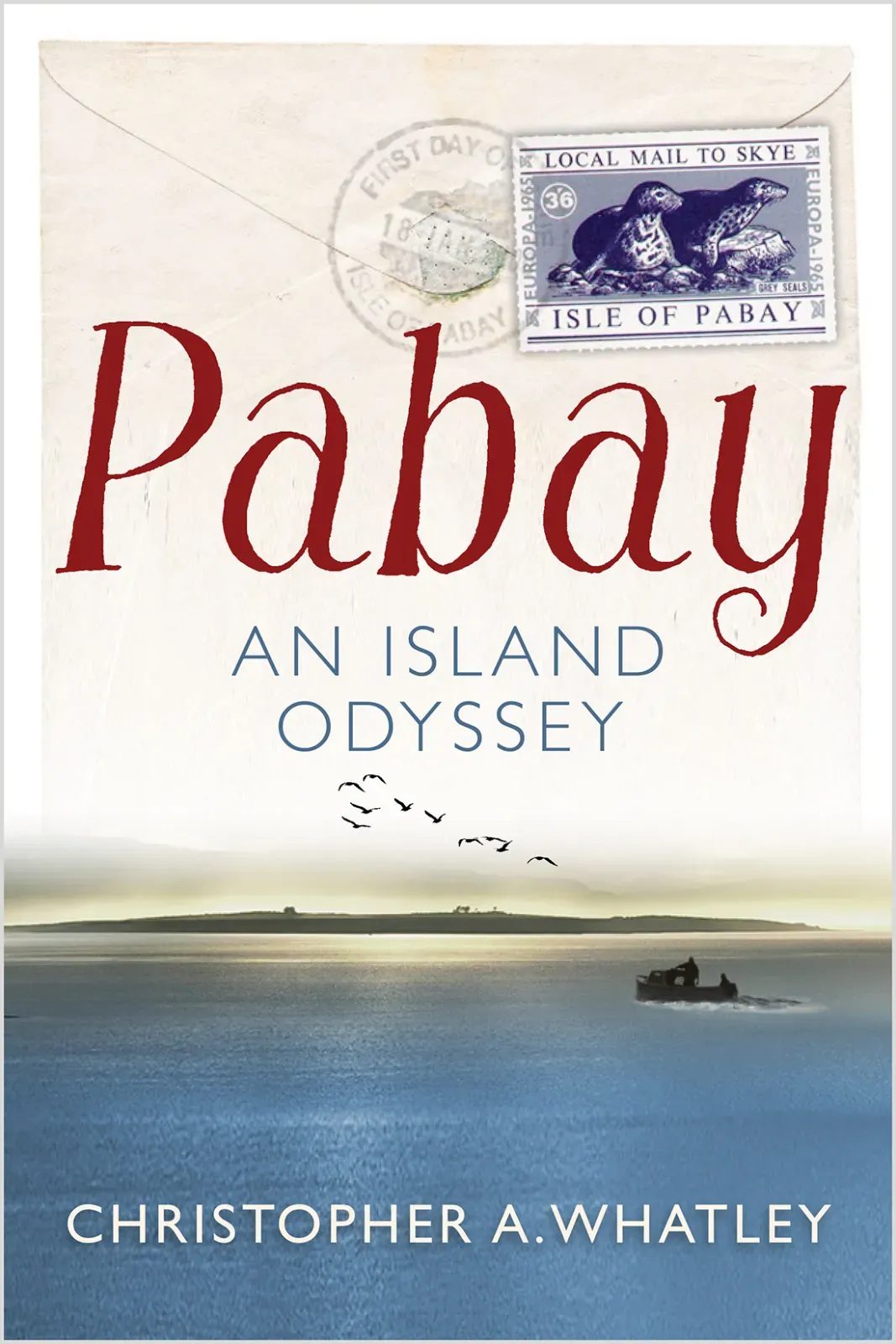
- Islands The life of one small island off Skye, from pilgrims to political spats. Start with Pabay: An Island Odyssey
In Chris’s words
Grand and often portentous sweeping statements read well but mean little.
Chris left school at sixteen with a single O grade and worked as a shop assistant and machine operator before night school took him to Strathclyde University. “The testing of long-held assumptions,” he writes, “is a feature of my work.”
Read his storyWhat the critics say
An island history almost without comparison… one of the finest Highland books of the 21st Century… There has, to my knowledge, never before been one devoted entirely to the tiny Pabay in Bradford Bay. Nor has there been written quite so good a book, on this or any other Scottish subject.
“Beautifully written, and presents a richly detailed and fascinating historical narrative. Whatley delves into the island’s past and the people who have made Pabay their home. It’s as much a testimony to how people have shaped the island and how the island has shaped them.”
“This Odyssey is replete with cases of the past and present colliding, of scandals and skirmishes, pilgrimages and political spats, and it creates a vivid depiction of the many trials, tribulations and joys of island life.”
Read, reviewed and heard in
- The Observer
- The Scotsman
- STV News
- Archaeology
- The Conversation
- Press and Journal
- The Courier
- West Highland Free Press
Meet Chris in person
All eventsNo talks are scheduled just now. To invite Chris to speak to your society, festival or school, get in touch. His most recent event:
- Past event
First public discussion of The Triumph of Textiles: Industrial Dundee 1700-1918
Lecture Theatre 2, Dalhousie Building, University of Dundee, Dundee
12 March 2025, 6.30 pm. Hosted by Abertay Historical Society and Edinburgh University Press. Free.
Recent news and articles
All news-
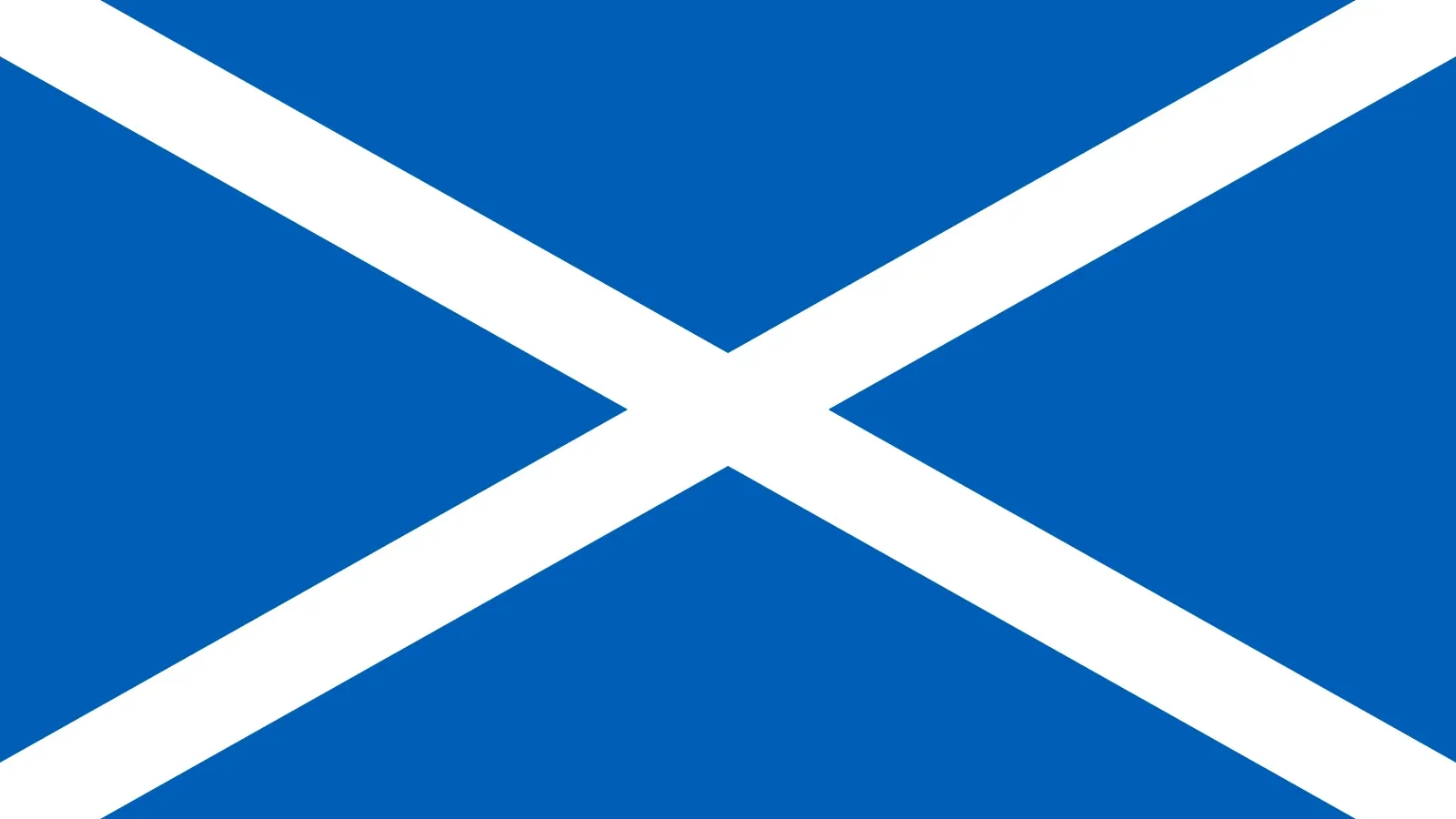
St Andrew’s Day: why Scotland marks 30 November
St Andrew’s Day falls on Monday 30 November 2026. Who Andrew was, how he became Scotland’s patron saint, the saltire legend, and the bank holiday.
-
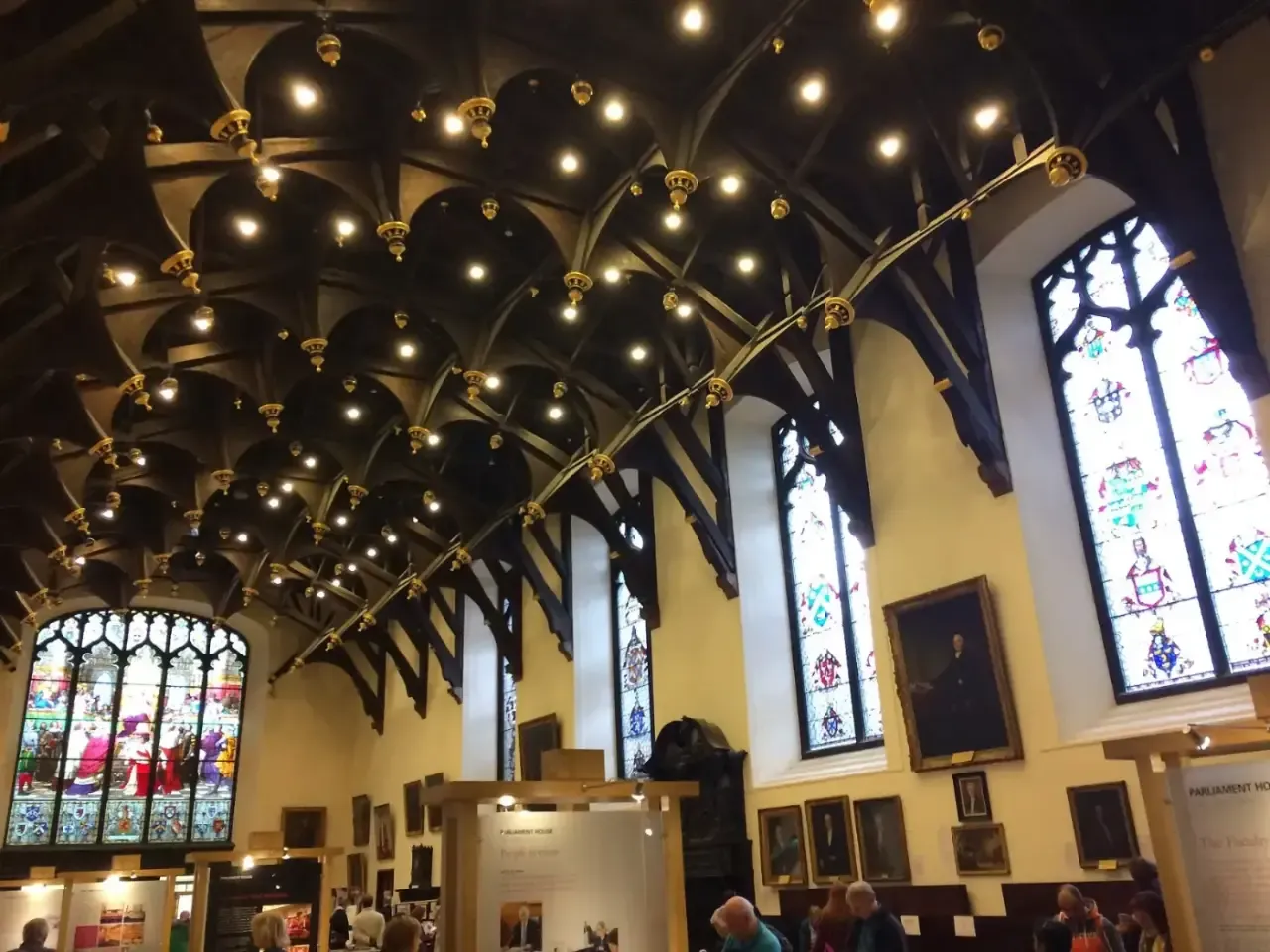
The Union of 1707: a short guide
How Scotland and England came to share one parliament in 1707: the treaty, the vote in Edinburgh, and what the Union of 1707 changed.
-
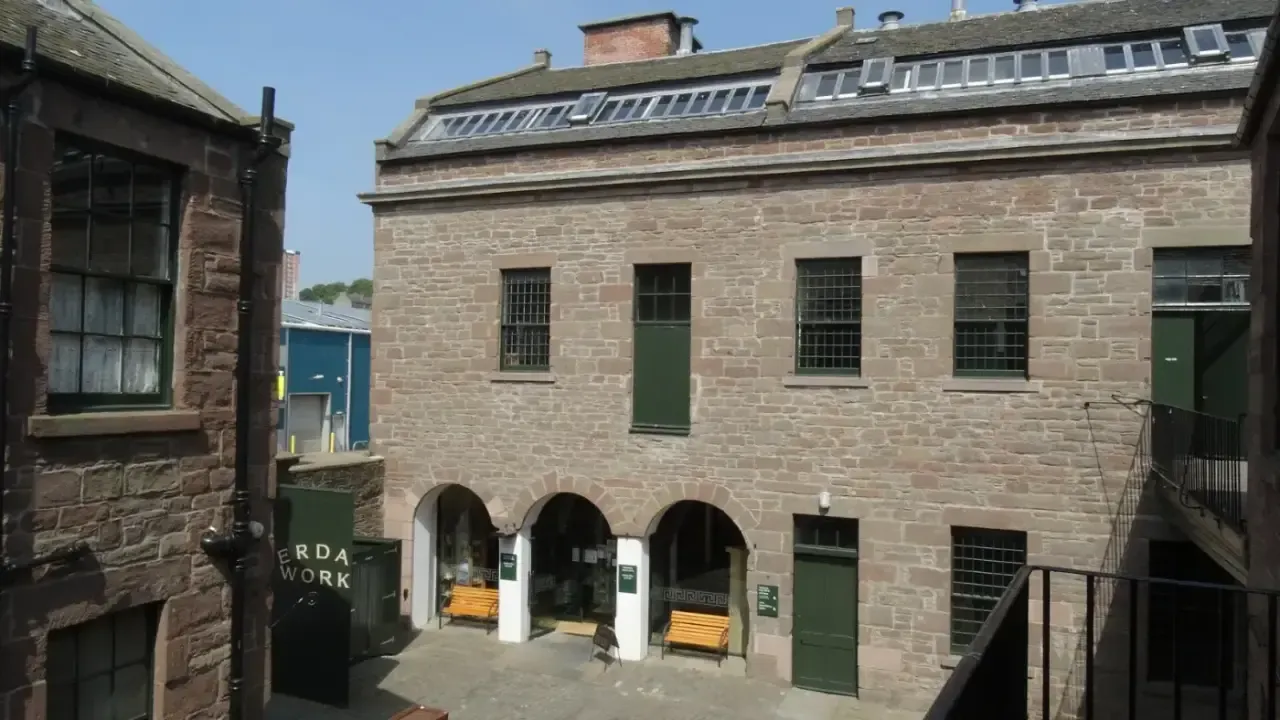
Juteopolis: how Dundee became the jute city
Linen, an Indian fibre and a largely female workforce: a short guide to how Dundee became Juteopolis, the jute city, and how the industry ended.