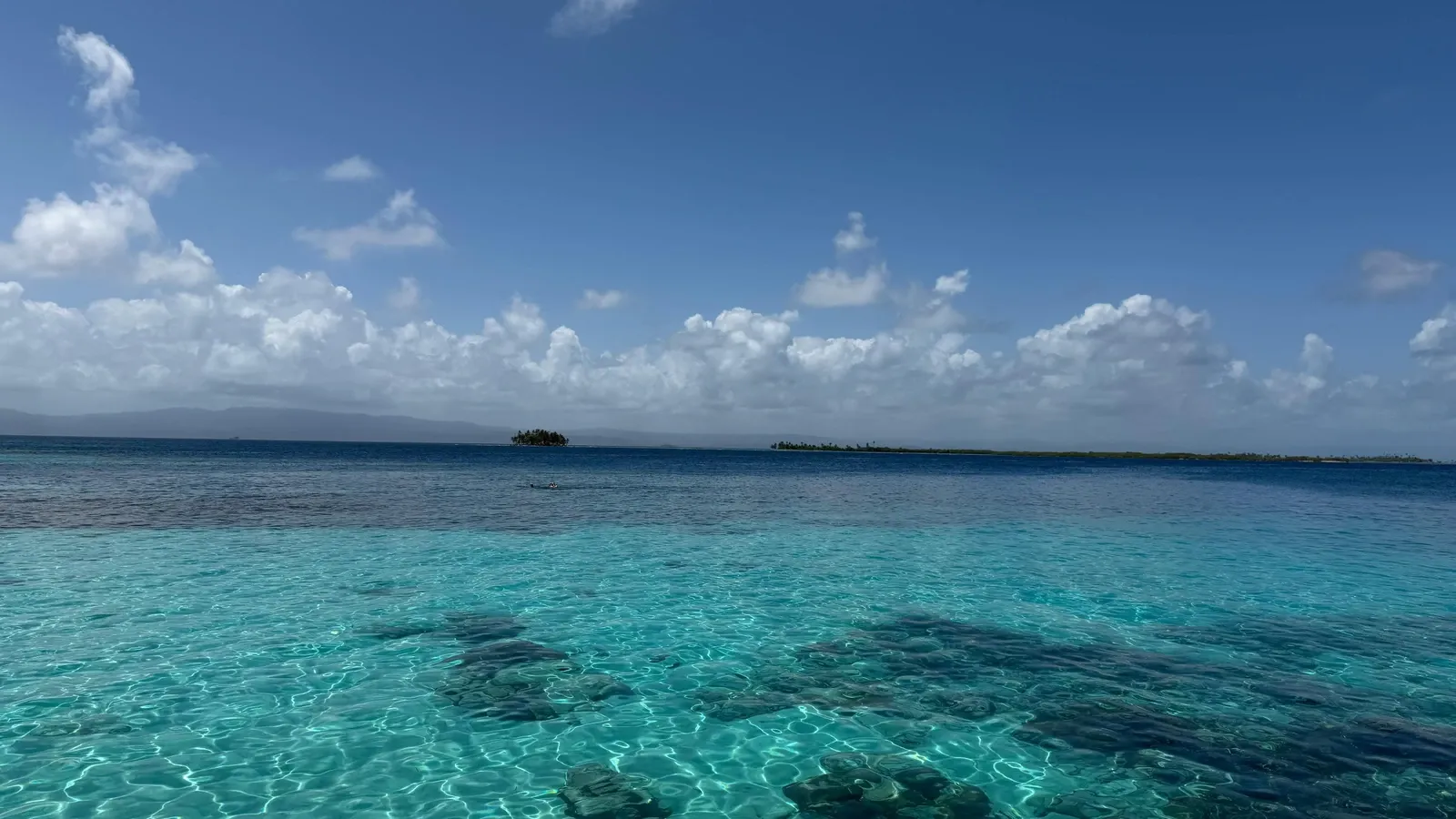
In July 1698 five ships left Leith carrying about 1,200 people. They were bound for Darien, on the narrow isthmus of Panama. Their aim was a Scottish colony and a trading port between two oceans. Within two years the venture had collapsed, thousands were dead, and much of Scotland’s spare capital was gone. The Darien scheme is one of the best-known disasters in Scottish history, and it still comes up whenever people ask why Scotland entered the Union of 1707.
The Company of Scotland and the Darien scheme
The story begins with an act of the Scottish Parliament on 26 June 1695. It set up a trading company, usually called the Company of Scotland. The company could trade with Africa and the Indies and paid no customs duties for many years. Its leading promoter was William Paterson, a Dumfriesshire man who had already helped to launch the Bank of England.
The plan was meant to draw money from London and the Continent as well as Scotland. English merchants, and above all the East India Company, saw a rival and pushed back. Under that pressure English and Dutch backers pulled out, and the Hamburg money fell away too. William III, king of both countries, gave the Company no real support. From then on the money had to come from Scotland alone.
A nation subscribes
When the Company’s subscription book opened in Edinburgh in February 1696, around 1,500 subscribers promised about £400,000 sterling. They ranged from nobles and merchants to people of modest means. Estimates of its share of Scotland’s available capital vary a great deal, from a fifth to as much as half. All agree it was a huge sum for a small, poor country.
Paterson persuaded the directors to put the money into one bold idea: a colony and free port at Darien, where goods could cross the isthmus between the Atlantic and the Pacific.
The first expedition, 1698–99
The fleet reached Darien at the start of November 1698. The settlers named the country Caledonia, began a town called New Edinburgh and built Fort St Andrew on a headland. It went wrong almost at once. Food spoiled in the holds. Local people had little use for the linen, stockings and other goods they had brought to trade. Fever and malaria spread as the hot season came, and at the worst point around ten settlers were dying each day.
The Scots also needed help from neighbours who would not give it. Spain claimed the whole region. William III, anxious to keep Spain friendly, ordered the English colonies in America not to trade with the settlement or supply it. In July 1699, after about eight months, the survivors abandoned the colony. Of the ships that sailed away, only one ever got back to Scotland.
The second expedition and the Spanish siege
News travelled slowly. Before word of the abandonment reached Scotland, a second expedition of more than 1,000 people had already set out. It reached the empty site at the end of November 1699. In January 1700 a force under Alexander Campbell of Fonab beat a Spanish detachment at Toubacanti. But Spanish forces then besieged Fort St Andrew. In spring 1700 the Scots surrendered, and the Spanish let them leave. In all, about 2,500 people went out to Darien, and more than 2,000 of them died.
Darien and the Union of 1707
The losses hit landowners, merchants and towns across Scotland. They left a sharp sense of grievance against the king and against English interests. In April 1705 an Edinburgh court convicted Captain Thomas Green of the English ship Worcester, on doubtful evidence, of piracy against a Company ship. He and two of his crew were hanged at Leith.
When the Treaty of Union was drawn up in 1706, Article 15 granted Scotland a payment known as the Equivalent: £398,085 and ten shillings. Part of its purpose was to offset the share of England’s national debt that Scots would now carry. A large part of it repaid the Company’s shareholders, with interest.
Did the Darien scheme cause the Union?
That question has been argued for three centuries. One view holds that the disaster convinced Scotland’s ruling class that the country could not prosper alone. On this view, Scotland needed access to English markets and colonies. Another sees the Equivalent as a payment that helped win votes in Parliament. Many historians now treat Darien as one strand among several, alongside trade, religion, the succession to the throne, security and the management of Parliament, rather than as a cause that made the Union inevitable.
Further reading
How Scotland came to the Union, and how much episodes like Darien mattered, is the subject of Chris Whatley’s The Scots and the Union: Then and Now, the updated edition of the book that won the Saltire Society’s Scottish History Book of the Year in 2007. His selected papers include work on the Jacobites in the last Scottish Parliament, and recordings of his talks on the Union are on the talks and media page. To ask about a talk for your society or group, contact Chris.
Key facts
- What was the Darien scheme?
- An attempt by the Company of Scotland to found a Scottish colony and trading port at Darien, on the isthmus of Panama, in 1698 to 1700.
- How much money did Scots put into it?
- Around 1,500 subscribers promised about £400,000 sterling when the subscription book opened in Edinburgh in February 1696.
- How many people died?
- About 2,500 people went out to Darien in two expeditions, and more than 2,000 of them died.
- Did the Darien scheme cause the Union of 1707?
- Many historians now see it as one strand among several, alongside trade, religion, the succession, security and the management of Parliament.
Sources
- Wikipedia: Darien scheme (opens in a new tab)
- National Museums Scotland: The Darien scheme (opens in a new tab)
- Historic UK: The Darien Scheme (opens in a new tab)
- The Scotsman: The Darien scheme, the colonial dream that altered the course of Scotland’s history (Tom Devine) (opens in a new tab)
- legislation.gov.uk: Union with England Act 1707 (opens in a new tab)